Tuesday, October 15, 2024


Europa Clipper begins epic journey to find what's hiding on Jupiter's moon

For decades, Europa has captivated not only scientists but also filmmakers, writers, and dreamers. This icy moon of Jupiter has played a starring role in science fiction, most famously in Arthur C. Clarke's 2010: Odyssey Two, where it is depicted as a world brimming with life.

Shrouded in ice, with a surface etched by cracks and mysterious ridges, this distant celestial body has long been a subject of fascination. What lies beneath its frozen exterior? Could its subsurface ocean, hidden several kilometres below, be the key to understanding life beyond Earth?The mission’s primary objective: to determine if Europa has the right conditions to support life.
WHAT IS EUROPA?

Europa, a moon around Jupiter, has intrigued the scientific community ever since the Galileo spacecraft first provided tantalising evidence of a global ocean beneath its icy shell in the 1990s.


The possibility of life existing in this remote, alien ocean has stirred imaginations ever since.

Unlike Earth, Europa’s ocean isn’t warmed by the sun, but by the tidal forces created by Jupiter’s immense gravitational pull. This process could generate the necessary heat to sustain microbial life in the dark depths of this hidden sea.
WHAT WILL EUROPA CLIPPER MISSION DO?

The Europa Clipper mission, with its $5 billion price tag and six-year journey, is NASA’s bold attempt to unravel these mysteries.

After travelling nearly 2.9 billion kilometres, the spacecraft will begin a series of 49 close flybys of Europa in 2030, conducting what may be the most detailed investigation ever undertaken of a celestial body beyond our planet.

Equipped with nine cutting-edge instruments, including ice-penetrating radar, cameras, and spectrometers, the spacecraft will delve deep into the moon’s icy crust and atmosphere, searching for signs that Europa’s ocean might harbour the essential building blocks of life.​


WHAT CAN BE EXPECTED?

The excitement around Europa Clipper stems from its potential to answer one of humanity’s oldest and most profound questions: Are we alone in the universe?

With each flyby, the spacecraft will scan Europa’s frozen landscape, measuring the thickness of the ice shell and looking for evidence of water plumes that might be venting from the ocean below.

These plumes, if confirmed, could provide a direct glimpse into the chemical makeup of Europa’s ocean, offering clues to its habitability.


Europa is thought to have more water than all of Earth’s oceans combined, locked away beneath its surface. If life can exist there, in complete darkness under miles of ice, it could fundamentally reshape our understanding of where life could thrive in the cosmos.​

In the years leading up to its arrival at Europa, the Europa Clipper’s journey will be watched closely by space enthusiasts around the globe. While it will take six years for the spacecraft to reach its destination, the mission promises to be a turning point in the quest to find life beyond Earth.


As the Europa Clipper hurtles through space toward its icy target, it carries with it the hopes and dreams of humanity, bound on a daring voyage to unlock the secrets of a distant moon that may hold answers to questions humans have pondered for centuries.

Monday, October 14, 2024


AI scans RNA ‘dark matter’ and uncovers 70,000 new viruses

Researchers have used artificial intelligence (AI) to uncover 70,500 viruses previously unknown to science1, many of them weird and nothing like known species. The RNA viruses were identified using metagenomics, in which scientists sample all the genomes present in the environment without having to culture individual viruses. The method shows the potential of AI to explore the ‘dark matter’ of the RNA virus universe.

Viruses are ubiquitous microorganisms that infect animals, plants and even bacteria, yet only a small fraction have been identified and described. There is “essentially a bottomless pit” of viruses to discover, says Artem Babaian, a computational virologist at the University of Toronto in Canada. Some of these viruses could cause diseases in people, which means that characterizing them could help to explain mystery illnesses, he says.

Previous studies have used machine learning to find new viruses in sequencing data. The latest study, published in Cell this week, takes that work a step further and uses it to look at predicted protein structures1. The AI model incorporates a protein-prediction tool, called ESMFold, that was developed by researchers at Meta (formerly Facebook, headquartered in Menlo Park, California). A similar AI system, AlphaFold, was developed by researchers at Google DeepMind in London, who won the Nobel Prize in Chemistry this week.
Missed viruses

In 2022, Babaian and his colleagues searched 5.7 million genomic samples archived in publicly available databases and identified almost 132,000 new RNA viruses2. Other groups have led similar efforts3.

But RNA viruses evolve quickly, so existing methods for identifying RNA viruses in genomic sequence data probably miss many. A common method is to look for a section of the genome that encodes a key protein used in RNA replication, called RNA-dependent RNA polymerase (RdRp). But if the sequence that encodes this protein in a virus is vastly different from any known sequence, researchers won’t recognize it.

Shi Mang, an evolutionary biologist at Sun Yat-sen University in Shenzhen, China, and a co-author of the Cell study, and his colleagues went looking for previously unrecognized viruses in publicly available genomic samples.They developed a model, called LucaProt, using the ‘transformer’ architecture that underpins ChatGPT, and fed it sequencing and ESMFold protein-prediction data. They then trained their model to recognize viral RdRps and used it to find sequences that encoded these enzymes — evidence that those sequences belonged to a virus — in the large tranche of genomic data. Using this method, they identified some 160,000 RNA viruses, including some that were exceptionally long and found in extreme environments such as hot springs, salt lakes and air. Just under half of them had not been described before. They found “little pockets of RNA virus biodiversity that are really far off in the boonies of evolutionary space”, says Babaian.


“It’s a really promising approach for expanding the virosphere,” says Jackie Mahar, an evolutionary virologist at the CSIRO Australian Centre for Disease Preparedness in Geelong. Characterizing viruses will help researchers to understand the microbes’ origins and how they evolved in different hosts, she says.


And expanding the pool of known viruses makes it easier to find more viruses that are similar, says Babaian. “All of a sudden you can see things that you just weren’t seeing before.”


The team wasn’t able to determine the hosts of the viruses they identified, which should be investigated further, says Mahar. Researchers are particularly interested in knowing whether any of the new viruses infect archaea, an entire branch of the tree of life for which no RNA viruses have been clearly shown to infect.


Shi is now developing a model to predict the hosts of these newly identified RNA viruses. He hopes this will help researchers to understand the roles that viruses have in their environmental niches.

Saturday, October 12, 2024


Europa Clipper is launching to solve an alien mystery


NASA’s Europa Clipper spacecraft will soon be on its way to help solve a quarter-century-old mystery: Could anything live in the ocean that lurks beneath the icy shell of Jupiter’s moon Europa?

“This is a mission we’ve been dreaming of for 25 years now, since I was in graduate school,” says planetary geologist Cynthia Phillips of NASA’s Jet Propulsion Laboratory in Pasadena, Calif. “It’s a generational mission.”

An October 10 launch from Kennedy Space Center in Florida has been scrubbed due to Hurricane Milton, but the spacecraft is still expected to launch later this month or in early November.After a five-and-a-half-year trek to Jupiter, Clipper will settle into orbit around the giant planet in April 2030, repeatedly zipping past the icy moon to get snapshots of its frozen terrain, measure the chemical composition of the surface and deduce the moon’s internal structure.

“We think that ocean worlds might actually be a common type of world outside of our solar system,” said NASA’s head of planetary science Gina DiBraccio in a September 17 news conference. “Clipper will be the first in-depth mission that will allow us to characterize habitability on what could be the most common type of inhabited world in our universe.”

Planetary scientists have grown increasingly certain that Europa hosts a subsurface ocean ever since NASA’s Galileo spacecraft visited Jupiter in the 1990s (SN: 2/18/02).“During the Galileo mission, it was like a detective story,” Phillips says. The clues built up. A lack of craters, suggesting the surface is always moving and changing. Stripes, cracks and pits, suggesting upwelling from below. Regions known as “chaos terrain,” that look like icebergs tilted in a sloshy sea (SN: 11/16/11).

And finally, the measurement of an internal magnetic field induced by Jupiter’s external one. That was “the coup de grâce,” Phillips says. The only geologically plausible material capable of carrying that magnetic field is saltwater.

On Earth, water means life. But the findings on Europa weren’t enough to declare it a habitable world (SN: 4/19/24). Many mysteries remained: How deep is the ocean? How thick is the ice shell? And crucially, how do they interact? Could material from the surface make it down into the briny deep, to provide food for waiting microbes?Europa Clipper, named for the speedy clipper ships of the 19th century, is poised to pick up where Galileo left off. The spacecraft is charged with investigating Europa’s habitability by searching for three key ingredients: water, energy and organic compounds.

The spacecraft won’t orbit Europa directly. The moon lies within Jupiter’s punishing radiation environment, where high-energy charged particles accelerated by the planet’s magnetic field could fry spacecraft components (SN: 11/9/20). Instead, Clipper will dip in and out of that zone of radiation to zip past Europa at least 49 times — aiming all nine of its instruments at the moon at once — each time retreating to calmer territory to process the data and send it back to Earth.


One of the first things Clipper will do when it arrives is confirm — or possibly refute — the presence of the subsurface ocean. How the moon gravitationally tugs on the spacecraft will reveal details of its interior immediately, said deputy project scientist Bonnie Buratti of JPL in the news conference.


Next will come the pictures. Galileo’s antenna never deployed properly, so its images were not as sharp as they could have been, Phillips says. Galileo’s spectrometer wasn’t designed to work at Europa either, so scientists struggled to tease out the composition of anything that wasn’t ice on the surface. Clipper’s images and spectra will reveal clues about the chemical components of the surface and possibly the subsurface that Galileo never could.

Finally, Clipper will delve into details like the thickness of the crust, the depth of the ocean and how they interact.

There are some limitations. Clipper’s gaze won’t reach the bottom of the ocean, where rock and water meet. That might be the most likely place for microbial ecosystems to nestle themselves, similar to seafloor vents on Earth. But Clipper won’t be able to sense them directly.

There is, however, strong circumstantial evidence that water sometimes comes to the surface, whether in plumes of vapor or slower seeping streams or lakes, and may deposit any other material it’s carried up onto the ice (SN: 5/14/18). Clipper will search for chemicals on the surface and infer what could be brewing in the murky depths.

“The holy grail would be if we saw something like an amino acid on the surface,” Buratti says. “But just seeing a lot of organic molecules there will be good evidence that we have all the requisites for life.”

What Clipper won’t do is look directly for life. “We don’t have a tricorder we can point at Europa and say, ‘It’s life, Jim!’” like in Star Trek, Phillips says. “It’s going to be multiple lines of indirect evidence, again.”

“To do a life-detection mission,” she says, “you’re going to have to touch that surface.” Or maybe get beneath it (SN: 5/2/14).

With how long she’s had to wait to get to Europa, Phillips doesn’t expect to see that mission herself. But she hopes scientists won’t have to wait another 25 years.

“I hope that momentum will build,” she says. “I accept that I’m probably not going to get to see that Europa submarine, but hopefully my kids or maybe my grandkids will.”

Thursday, October 10, 2024


Chemistry Nobel goes to developers of AlphaFold AI that predicts protein structures


AI tools are designing entirely new proteins that could transform medicine

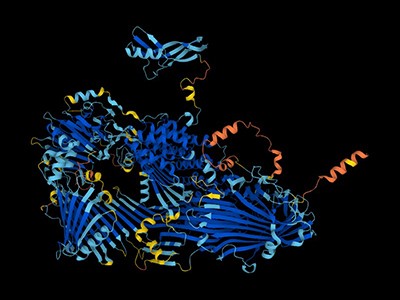
For the first time — and probably not the last — a scientific breakthrough enabled by artificial intelligence (AI) has been recognized with a Nobel prize. The 2024 chemistry Nobel was awarded to John Jumper and Demis Hassabis at Google DeepMind in London, for developing a game-changing AI tool for predicting protein structures called AlphaFold, and David Baker, at the University of Washington in Seattle, for his work on computational protein design, which has been bolstered by Al in recent years.

“I hope when we look back on AlphaFold, it will be the first proof point of AI's incredible potential to accelerate scientific discovery,” Hassabis said at a press briefing at DeepMind on 9 October. “It’s so unreal at this moment.”


What’s next for AlphaFold and the AI protein-folding revolution

The impact of AlphaFold, which was unveiled just a few years ago, has been nothing short of transformative. The tool has made protein structures — often, but not always, highly accurate ones — available to researchers at the touch of a button, and enabled experiments that were unimaginable a decade ago. “It’s a major revolution,” says Christine Orengo, a computational biologist at University College London, whose laboratory has used AlphaFold-predicted structures to uncover new proteins.

“It has long been a dream to learn to predict the three-dimensional structure of proteins from knowing their amino acid sequences … for several decades, this was considered impossible,” said Nobel committee chair Heiner Linke, who researches nanoscience at Lund University in Sweden, during the prize announcement. This year’s laureates “have cracked the code”, he added. The three winners share a prize pot of 11 million Swedish kronor (US$1 million).
Award-winning AI

DeepMind debuted AlphaFold in 2018, when it won a biennial protein-structure prediction contest called the Critical Assessment of Protein Structure Prediction (CASP). But it was the second iteration of the deep-learning neural network, revealed in late 2020, that really shook up the life sciences. Many of AlphaFold2’s predictions at CASP were so accurate as to be indistinguishable from experimentally solved protein structures.

Hassabis, DeepMind’s co-founder and chief executive, and Jumper, head of the AlphaFold team, led the development of AlphaFold2. To predict protein structures, the neural network incorporates data from libraries of hundreds of thousands of structures and millions of sequences from related proteins — which hold information about their shapes.


than 200,000 protein structures determined using methods including X-ray crystollagraphy and cryo-electron microscopy. “It’s humbling every time we train [AlphaFold] on years of effort. Each data point is years of effort from someone,” Jumper said at the DeepMind press briefing.

In 2021, DeepMind made AlphaFold2’s underlying code freely available, along with the data needed to train the model. An AlphaFold database, created with the European Molecular Biology Laboratory’s European Bioinformatics Institute in Hinxton, UK, now holds the structures of almost all the proteins from every organism represented in genetic databases, some 214 million predictions in total. This year, the company unveiled a third version of AlphaFold, which can model other molecules that interact with proteins such as drugs.

The revolution that Jumper, Hassabis and their colleagues unleashed is still in its early days, and AlphaFold’s full impact on science might not be known for years. Already, the tool is helping scientists make new insights.

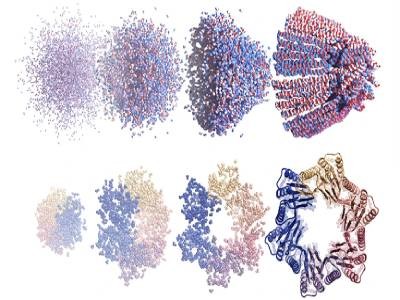
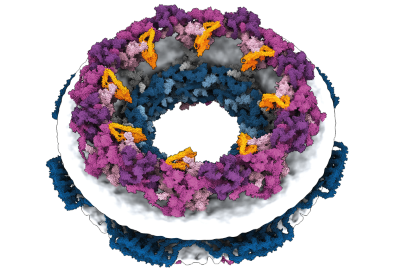
One pioneering team used the tool, along with experimental data, to map the nuclear pore complex, one of our cells’ largest machines that transports molecules into and out of the nucleus. Last year, two teams mined the entire AlphaFold database to uncover the darkest corners of the protein universe, identifying new families of proteins and folds and surprising connections in the machinery of life.


‘The entire protein universe’: AI predicts shape of nearly every known protein

Many researchers hope that AlphaFold and other AI tools it has inspired will transform medicine, but it is not yet clear how, or indeed whether, AlphaFold will streamline the costly and multi-step process of developing safe drugs. Scientists laying the groundwork for new vaccines are finding AlphaFold incredibly useful and, in some cases, game changing. But AlphaFold is a complement to experimental studies and other approaches to mapping and tweaking the structure of viral proteins for use in vaccines.

For most researchers, a predicted structure is the beginning of a study, not the end, says Jan Kosinski, a structural modeller at the European Molecular Biology Laboratory (EMBL) in Hamburg, Germany. “At the beginning, there was this fear that it will replace structural biology, people will lose jobs and so on. Actually, the complete opposite has happened,” he adds.

David Jones, a bioinformatician at University College London who collaborated with DeepMind on the first version of AlphaFold starting in 2016, says one of the tool’s biggest impacts has been a change in biologist’s mindset, “to say that computers are things that can produce useful hypotheses that can be tested in the lab”.
Creating new proteins

More than two decades before DeepMind started working on AlphaFold, computational biophysicist David Baker and his colleagues developed a software tool called Rosetta that modelled protein structures using physical principles. The tool compares small fragments of multiple existing protein structures and sequences to identify a protein sequence that can fold into a particular shape.

Initially, Rosetta was applied to predicting protein structures — it has been among the top entries at numerous CASPs, prior to AlphaFold’s dominance. But Baker soon realised that the model could be flipped around to design entirely new proteins.


The tool had early success designing novel proteins, including new kinds of enzymes, proteins that can bind tightly to other molecules and self-assembling protein nanoparticles that resemble viruses (one of these served as a basis for an approved COVID-19 vaccine).

When AlphaFold2 was announced — but not yet released — Baker and his team, including computational chemist Minkyung Baek, now at Seoul National University in South Korea, set out to understand the software and apply some of its tricks to a previous AI-based version of Rosetta. The first version of the resulting RoseTTAFold network performed nearly as well as AlphaFold2. Since 2021, both networks have been continually improved by their developers and other scientists to tackle fresh challenges, such as predicting the structure of complexes of multiple different interacting proteins.

In recent years, Baker’s team have been especially prolific in applying machine learning to his lab’s raison d’etre: creating new proteins never seen before in nature. A tool recently developed by Baker’s team that combines RoseTTAFold with image-generating diffusion neural networks has led to a step-change in researchers’ capacity to design proteins.
Rapid progress

Such tools have been a massive accelerator and democratizer, says Sergey Ovchinnikov, an evolutionary biologist at the Massachusetts Institute of Technology in Cambridge, who did his PhD in Baker’s lab. It used to take Rosetta weeks of running on hundreds of processors to come up with a protein design, a task that newer AI-based tools can accomplish in seconds. “Now everybody in the world can do protein design,” he says.

“I have been really deeply inspired by the others in the field and the people I’ve worked with,” said Baker, speaking by telephone at the Nobel prize announcement. “I stood on the shoulders of giants.”


Martin Steinegger, a computational biologist at Seoul National University in South Korea, likens the impact of AlphaFold, RoseTTAFold and other biological AI tools to that of the Apollo Moon missions by showing what engineering can achieve. “This is a similar moment for structure prediction and the structural biology field — just seeing what is possible,” he says.

Few were surprised with the Nobel committee’s decision. For Baker, “most people thought that it was 'a when not if’ situation, the amount of work he’s done in that field,” says Jones. Jumper, aware that he and Hassabis were on many people’s short lists, said in the press briefing that he was unable to sleep the night before today’s announement.

For Jumper, the predicted structures that AlphaFold delivers create new opportunities for scientific discovery. Millions of scientists have already used the tools, and he hopes it won’t be long before one of them gets a call from Sweden. “The moment that I will be almost as excited as this will be the Nobel Prize that talks about the work done with AlphaFold,” he said.

Wednesday, October 9, 2024


Space oddity: Most distant rotating disc galaxy found


Researchers have discovered the most distant Milky-Way-like galaxy yet observed. Dubbed REBELS-25, this disc galaxy seems as orderly as present-day galaxies, but we see it as it was when the Universe was only 700 million years old. This is surprising since, according to our current understanding of galaxy formation, such early galaxies are expected to appear more chaotic. The rotation and structure of REBELS-25 were revealed using the Atacama Large Millimeter/submillimeter Array (ALMA), in which the European Southern Observatory (ESO) is a partner.


The galaxies we see today have come a long way from their chaotic, clumpy counterparts that astronomers typically observe in the early Universe. "According to our understanding of galaxy formation, we expect most early galaxies to be small and messy looking," says Jacqueline Hodge, an astronomer at Leiden University, the Netherlands, and co-author of the study.


These messy, early galaxies merge with each other and then evolve into smoother shapes at an incredibly slow pace. Current theories suggest that, for a galaxy to be as orderly as our own Milky Way -- a rotating disc with tidy structures like spiral arms -- billions of years of evolution must have elapsed. The detection of REBELS-25, however, challenges that timescale.

In the study, accepted for publication in Monthly Notices of the Royal Astronomical Society, astronomers found REBELS-25 to be the most distant strongly rotating disc galaxy ever discovered. The light reaching us from this galaxy was emitted when the Universe was only 700 million years old -- a mere five percent of its current age (13.8 billion) -- making REBELS-25's orderly rotation unexpected. "Seeing a galaxy with such similarities to our own Milky Way, that is strongly rotation-dominated, challenges our understanding of how quickly galaxies in the early Universe evolve into the orderly galaxies of today's cosmos," says Lucie Rowland, a doctoral student at Leiden University and first author of the study.REBELS-25 was initially detected in previous observations by the same team, also conducted with ALMA, which is located in Chile's Atacama Desert. At the time, it was an exciting discovery, showing hints of rotation, but the resolution of the data was not fine enough to be sure. To properly discern the structure and motion of the galaxy, the team performed follow-up observations with ALMA at a higher resolution, which confirmed its record-breaking nature. "ALMA is the only telescope in existence with the sensitivity and resolution to achieve this," says Renske Smit, a researcher at Liverpool John Moores University in the UK and also a co-author of the study.


Surprisingly, the data also hinted at more developed features similar to those of the Milky Way, like a central elongated bar, and even spiral arms, although more observations will be needed to confirm this. "Finding further evidence of more evolved structures would be an exciting discovery, as it would be the most distant galaxy with such structures observed to date," says Rowland.

Tuesday, October 8, 2024


A spaceship punched an asteroid — we’re about to learn what came next
]
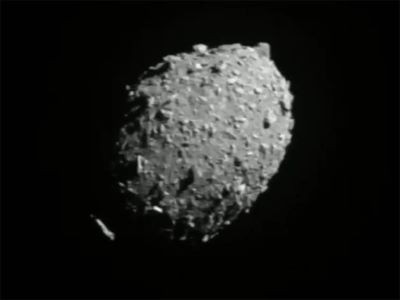
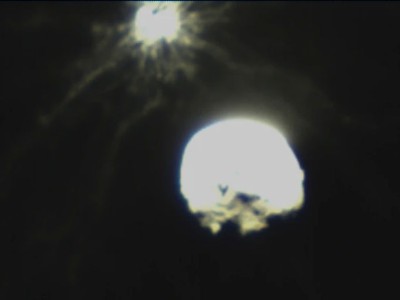
The European Space Agency (ESA) is set to launch a mission that will assess how effective humanity could be in protecting Earth from an asteroid impact. Called Hera, the mission will visit a rock blasted by a NASA spacecraft in 2022 to analyse the effects of the deflection effort.

“It seems like we hit it hard enough and we reshaped it,” says Harrison Agrusa, a Hera team member and a planetary scientist at the Côte d’Azur Observatory (OCA) in Nice, France.


This spacecraft just smashed into an asteroid in an attempt to change its path

Hera is set to launch no earlier than 7 October on a SpaceX Falcon 9 rocket from Cape Canaveral in Florida, although the lift-off might be delayed while SpaceX investigates an issue with its launch vehicle. The solar-powered spacecraft, which is the size of a small car, will take two years to reach its target, the binary asteroid system of Didymos and Dimorphos between Earth and Mars, arriving in late 2026.The €363-million (US$398-million) mission is a follow-up to NASA’s DART, the Double Asteroid Redirection Test. In September 2022, the similarly sized DART spacecraft slammed into Dimorphos, the smaller of the two asteroids at 160 metres across. That impact shortened the period of the asteroid’s nearly 12-hour orbit around Didymos by 33 minutes (see ‘Impact assessment’). That’s strong evidence that space agencies could, in future, use a similar approach to deflect an asteroid on course with Earth, say researchers. No such asteroid is currently known.
Delayed mission

Hera was supposed to have been present at Dimorphos for the DART impact to gather data on the experiment in real-time. But ESA cancelled the mission in 2016 before reviving it in 2019, meaning it would now arrive four years after DART. That means comparisons of Dimorphos’s form before and after impact are more difficult.

“It would have been better to have the full characteristics, but we can live with that,” says Patrick Michel, a planetary scientist at the OCA and Hera’s mission lead. “Fortunately, the outcome of the impact will [still] be there.”


DART hit the asteroid at 22,000 kilometres per hour, and sent nearly 1,000 tonnes of material into space, including boulders the size of buses. Remote observations suggest that it formed a crater about 50 metres across, the width of a football field, but the true size won’t be known until Hera arrives. “It’s a big divot a third of the width of the body,” says Dawn Graninger, a physicist at Johns Hopkins University Applied Physics Laboratory (JHUAPL) in Laurel, Maryland, and a Hera scientist.

Hera will slowly sidle up to the system when it arrives, positioning itself on a path around both rocks. “This is the first rendezvous with a binary asteroid,” says Michel. It will then study the asteroids for six months using cameras and an infrared imager, gradually lowering its altitude above them from 30 kilometres down to one kilometre.

“Hera is a detective, like Colombo,” says Michel. “It’s going back to the crime scene and telling us what happened, and why.”


Asteroid lost 1 million kilograms after collision with DART spacecraft
Reshaped asteroid

Studying the system will give us an unprecedented understanding of these two-rock systems, says Alice Quillen, an astronomer at the University of Rochester in New York. About15% of asteroids are thought to be binaries. “One of the mysteries about binary asteroids is they’re predicted to fall apart really quickly,” she says, because of radiation pressure from the Sun. A slight wobble in Dimorphos’s orbit might explain how it stays gravitationally bound to Didymos.

It’s possible that DART’s impact reformed asteroid’s relatively spherical shape. “A lot of impact models indicate we made it elongated,” says Agrusa.

The impact might also have caused Dimorphos to tumble as it orbits Didymos. Previously, it had been tidally locked, with the same face always pointing towards its larger companion, as the Moon does Earth. But DART might have caused its axis to spin chaotically, possibly even head over heels, something Agrusa predicted before impact. “We think that this prediction might have come true,” he says.Differences in the position of boulders on Dimorphos’s surface in Hera’s images compared with DART’s pictures could also reveal how much the rock has changed.

The mission will “tie-off some of the loose ends” of the deflection experiment, says Andy Rivkin, a planetary scientist at JHUAPL who led the DART mission and is now working on Hera.


Fresh images reveal fireworks when NASA spacecraft ploughed into asteroid

About two months into the mission, Hera will deploy two small CubeSats, called Juventas and Milani, that will encircle the asteroid pair. Measuring the distance between all three spacecraft will help scientists to work out Dimorphos’s gravitational pull and thus its mass, a crucial piece of information in understanding asteroid deflection. If the mass is low, “then maybe we deflected it so easily because it was light”, says Michel. But if the mass is high, it suggests that DART’s approach was even more effective at pushing the asteroid off course.Both CubeSats will later attempt to land on Dimorphos, providing richer information on its gravity and composition — and take images from the surface.

Hera might also touch down on Didymos as its final resting place, ending this grand escapade. “Altogether it’s a rehearsal for if we did have to intercept something” heading for Earth, says Rivkin.

Monday, October 7, 2024


World-first therapy using donor cells sends autoimmune diseases into remission

One woman and two men with severe autoimmune conditions have gone into remission after being treated with bioengineered and CRISPR-modified immune cells1. The three individuals from China are the first people with autoimmune disorders to be treated with engineered immune cells created from donor cells, rather than ones collected from their own bodies. This advance is the first step towards mass production of such therapies.

One of the recipients, Mr Gong, a 57-year-old man from Shanghai, has systemic sclerosis, which affects connective tissue and can result in skin stiffening and organ damage. He says that three days after receiving the therapy, he felt his skin loosen and he could start moving his fingers and opening his mouth again. Two weeks later, he returned to his office job. “I feel very good,” he says, more than a year after receiving the treatment.Engineered immune cells, called chimeric antigen receptor (CAR) T cells, have shown great promise in treating blood cancers — half a dozen products are approved in the United States — and potential for treating autoimmune conditions such as lupus and multiple sclerosis, in which rogue immune cells release autoantibodies that attack the body’s own tissue. But the therapy typically relies on a person’s own immune cells, and this personalization makes it expensive and time consuming.

That’s why researchers have started creating CAR T therapies from donated immune cells. If successful, they would allow pharmaceutical companies to scale up manufacturing, potentially slashing costs and production times. Instead of making one treatment for one person, therapies for more than a hundred people could be made from one donor’s cells, says Lin Xin, an immunologist at Tsinghua University in Beijing. Donor-derived CAR T cells have been used to treat people with cancers, but with limited success so far2.
Autoimmune diseases

The trial, led by Xu Huji, a rheumatologist at Naval Medical University in Shanghai, is the first to report results for autoimmune diseases. They were published in Cell last month. More than six months after receiving the treatment, the recipients remained in remission. Another two dozen individuals have received the donor-derived treatment and a slightly modified product, says Xu. The results have been largely positive, he says.

“The clinical outcomes are phenomenal,” says Lin, who is leading a separate trial using donor-derived CAR T cells to treat lupus.

The success and safety of the therapy look promising but still need to be demonstrated in many more people before researchers can draw conclusions about its broad application, says Christina Bergmann, a rheumatologist at the University Hospital Erlangen in Germany.But if it does succeed in more people over a longer time frame, it “could prove paradigm shifting”, says Daniel Baker, an immunologist at the University of Pennsylvania in Philadelphia. More than 80 autoimmune diseases are linked to malfunctioning immune cells.
Healthy donor

CAR-T-cell therapy typically involves extracting immune cells known as T cells from the person being treated. The cells are embellished with CAR proteins that target B cells and are then re-infused into the person’s body.

The process for creating CAR T cells from donated immune cells is similar. Xu and his colleagues extracted T cells from a 21-year-old woman and studded them with CARs that recognize CD19, a receptor found on the surface of B cells. They used the CRISPR–Cas9 gene-editing tool to knock out five genes in the T cells, to prevent both the grafted cells from attacking the host’s body and the host’s immune system from attacking the donor cells.

The first person to receive the treatment, in May 2023, was a 42-year-old woman with a type of autoimmune myopathy, which targets skeletal muscle tissue, resulting in weakness and fatigue. Mr Gong, and another man aged 45, had an aggressive form of sclerosis. They startedtheir treatments in June and August 2023.

Once injected into the hosts, the CAR T cells got to work. They multiplied and targeted and destroyed all the B cells — including pathogenic cells linked to the autoimmune conditions. The bioengineered T cells survived for weeks in the recipients before largely vanishing. Eventually, new healthy B cells returned, but no pathogenic ones did. A similar response has been observed in people with autoimmune conditions who received CAR T cells derived from their own cells3.
‘Complete remission’

Two months after the treatment, the researchers say the woman achieved complete remission, and maintained that status at her six-month follow-up. Baker says that although the woman showed clear clinical improvements, he would be more cautious about calling it complete remission, given the short assessment time. The woman’s autoantibodies had dropped to undetectable levels, and her muscle strength and mobility had improved dramatically.The two men also saw significant improvements in their symptoms — including the reversal of scar-tissue formation — and declines in autoantibody levels.

None of the individuals experienced an extreme inflammatory reaction known as cytokine-release syndrome, which has been observed in some people with cancer who have received CAR-T therapy, and they didn’t show evidence of the graft attacking the host. But the researchers are still trying to determine whether the host’s body rejects the graft over time.

One key safety concern observed in some people who have received CAR-T-cell therapy to treat cancer is the emergence of new tumours, although researchers are still investigating whether they are linked to the therapy. Baker says it’s too early to know whether people with autoimmune conditions who are treated with donor-derived CAR T cells will face this risk. “Only time will tell.“

The big question now, Baker says, is whether the same approach will work in more people, and how durable the effects will be. “Will these patients stay symptom-free for years?”

Celebrating Dr. Narjes Sadeghiamirshahidi’s Remarkable Research Journey #GlobalBestAchievementsAwards #WorldResearchAwards

Celebrating Dr. Narjes Sadeghiamirshahidi’s Remarkable Research Journey Congratulations to Dr. Narjes Sadeghiamirshahidi on this distinguish...